Key Takeaways:
- Pet urine smell intensifies after carpet cleaning because hot water reactivates dormant uric acid crystals, temporarily concentrating the ammonia gas they release — standard cleaning alone cannot break down these crystals.
- True odor elimination requires enzyme treatments or EPA-registered sanitizers that chemically destroy uric acid at the molecular level, not just mask the scent with fragrances.
- If your carpet still smells after a standard professional cleaning, targeted pet odor treatment — addressing both the carpet fibers and the padding beneath — is the next step before the damage becomes irreversible.
Your carpet smelled tolerable before the cleaning truck left the driveway. Two hours later, as it dried, the pet odor hit harder than ever. You are not imagining it — and your cleaner did not necessarily do anything wrong. Standard carpet cleaning reactivates dormant uric acid crystals in pet urine, temporarily concentrating the ammonia gas they release. Without a treatment specifically designed to break down those crystals, the problem returns stronger every time moisture is introduced.
What’s Actually in Pet Urine (And Why It Hides in Your Carpet)
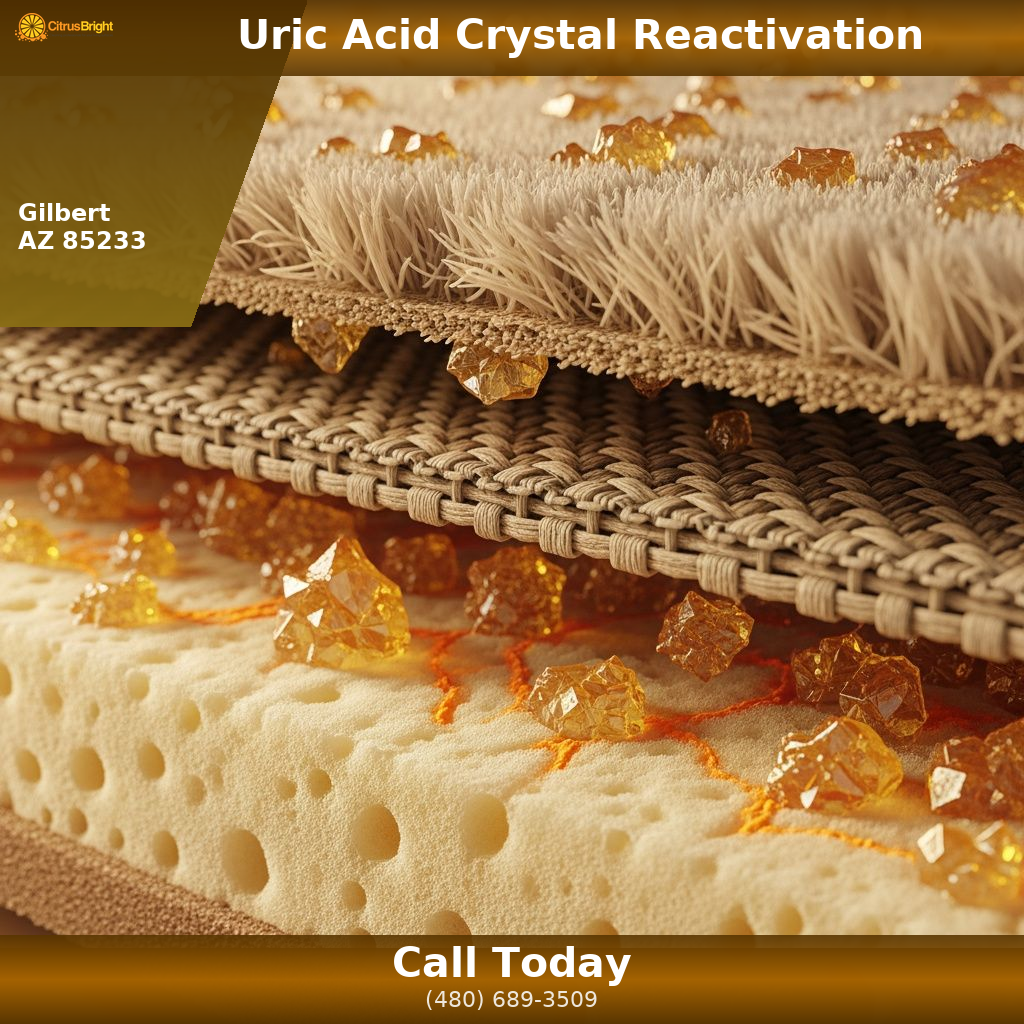
Pet urine is not a simple liquid stain. Fresh urine contains water, ammonia, bacteria, hormones, and — most importantly — uric acid. The water and ammonia evaporate relatively quickly. The bacteria die off. But uric acid does not evaporate. Instead, it forms microscopic crystals that bond tightly to carpet fibers, backing material, and the padding underneath.
Here is what makes uric acid particularly stubborn:
- It is nearly insoluble in water, meaning standard rinsing barely moves it
- It bonds at a molecular level to porous surfaces like carpet fiber and foam padding
- It can remain chemically stable and largely odorless in dry conditions for months or even years
- Reintroducing moisture — from cleaning, humidity, or even a spill — reactivates the crystals and triggers a fresh release of ammonia gas
This is why a carpet that “seemed fine” can suddenly smell overwhelming the moment a cleaning crew finishes. The uric acid was always there, sitting dormant. The cleaning process simply woke it up.
Beyond the fibers themselves, urine migrates quickly. A dog or cat accident on the surface of a carpet can seep through to the backing and into the foam padding in under a minute. The padding acts like a sponge, absorbing and holding urine far below what any surface cleaning can reach. According to the EPA’s indoor air quality guidance, biological contaminants embedded in porous building materials are among the most persistent sources of indoor odor and air quality issues.
Why Regular Cleaning Reactivates the Odor
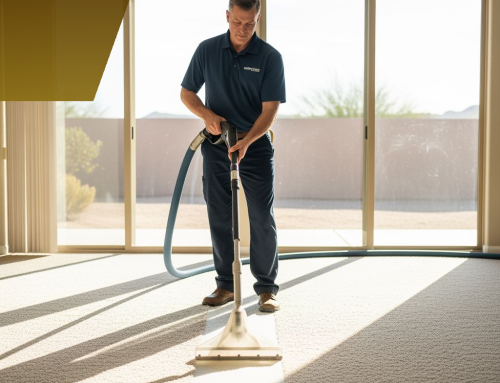
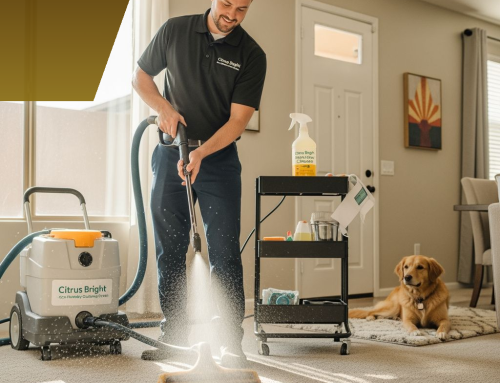
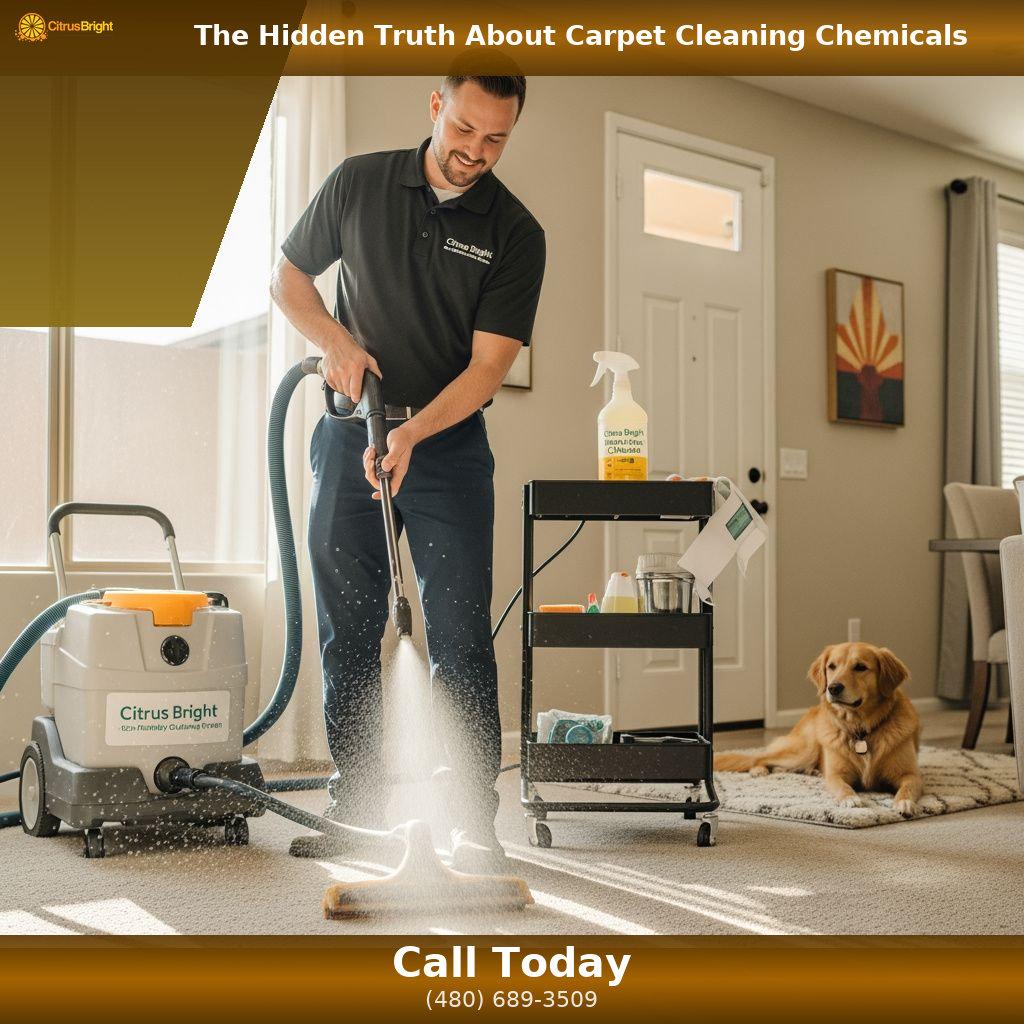
Standard hot-water extraction — commonly called steam cleaning — works beautifully for most carpet soil. Dirt, dust, and water-soluble stains lift out readily. Pet urine is a different challenge entirely.
When a steam cleaning wand passes over a uric acid deposit, three things happen simultaneously:
- The hot water dissolves the surface layer of the uric acid crystal, releasing a concentrated burst of ammonia gas
- The heat opens carpet fibers slightly, allowing moisture to penetrate deeper and reach crystals that were previously sealed off
- The extraction wand removes water but cannot physically remove the dissolved uric acid — it simply redistributes it slightly and then leaves it behind to re-crystallize as the carpet dries
The result is a carpet that smells dramatically worse for the first several hours after cleaning, then settles back to roughly its original odor level once dry. Many pet owners assume the cleaner made things worse. In reality, the cleaning revealed how significant the contamination was all along.
This cycle can repeat indefinitely. Each round of standard cleaning without proper uric acid treatment rehydrates and redeposits the crystals, sometimes widening the contamination zone as the water pushes the residue outward.
The Difference Between Masking Odor and Eliminating It
Most over-the-counter pet odor products and many standard cleaning solutions work by masking — layering a stronger scent (often citrus, floral, or enzymatic-smelling fragrance) over the ammonia odor so your nose registers something more pleasant. The uric acid crystals remain entirely intact underneath.
Enzymatic cleaners are a genuine step forward. They introduce biological enzymes — typically protease or urease enzymes — that break down protein-based compounds in urine. High-quality enzyme products, applied correctly and allowed sufficient dwell time, can meaningfully reduce odor. However, enzyme effectiveness depends heavily on concentration, contact time, temperature, and pH. Applied incorrectly or without sufficient saturation of the affected area, they may not penetrate deeply enough to address contamination in the padding.
True elimination requires a chemical reaction that destroys the uric acid molecule itself. EPA-registered sanitizing agents accomplish this differently from enzymes — they target the crystalline structure directly, neutralizing the compounds responsible for odor rather than simply consuming the organic matter around them. The practical difference: masking fades within days; elimination holds because there is nothing left to re-offgas when moisture returns.
What Professional Pet Treatment Actually Does
Citrus Bright uses an EPA-registered carpet sanitizer and a citrus-based cleaning system, both specifically formulated for biological odor sources. The approach differs from standard carpet cleaning in several important ways.
First, a pre-treatment is applied to the affected areas and allowed to dwell. This gives the active chemistry time to penetrate the carpet fiber, reach the backing layer, and begin working on the uric acid deposits rather than simply contacting the surface.
Second, extraction is calibrated to remove both the cleaning solution and the broken-down uric acid compounds it has mobilized. Standard cleaning extracts water; targeted pet treatment extracts the contaminant.
Third, in cases where padding saturation is significant, the approach shifts toward what the area actually needs — sometimes that means sub-surface injection; sometimes it means an honest conversation about whether the padding itself needs replacement before any surface treatment can hold.
One important note: some carpet padding absorbs so much urine over time that surface and sub-surface treatment alone cannot fully restore it. In those cases, replacement of the padding section is the more cost-effective long-term solution. Any provider who guarantees complete elimination without first assessing the padding condition is overpromising. A provider worth trusting will tell you what is realistically achievable.
When to Call Before You Try Anything Else
If you have already run one or more standard carpet cleanings and the odor returned or intensified, additional standard cleanings are unlikely to help — and may spread contamination further. The right time to request a pet-specific treatment protocol is before moisture is reintroduced.
A few situations where calling sooner matters most:
- The same spot re-emerges with odor after every standard cleaning
- You notice the smell intensifying specifically when the carpet is damp (after mopping nearby, during rainy weather, or after running a humidifier)
- You can smell the odor even when the carpet is dry — a sign of heavy or repeated contamination
- The affected area is larger than a few square feet, suggesting deep padding saturation
Homeowners in Gilbert, Chandler, and Mesa dealing with this pattern in 2026 have more options than a decade ago. EPA-registered sanitizers and properly applied enzyme-based systems are genuinely effective tools when the contamination assessment is done correctly first. The key word is “assessment” — knowing where the urine actually is, how deep it has migrated, and what the padding condition looks like determines which treatment protocol will hold.
Pet odor problems are solvable in most cases. They simply require the right chemistry applied to the right depth, not just a more powerful version of the same process that already fell short.
Frequently Asked Questions about Pet Urine Carpet Cleaning
Why Trust Citrus Bright
At Citrus Bright, we take pride in delivering exceptional cleaning services for both homes and businesses. What sets us apart? Our commitment to the environment and your well-being. With our unique citrus-based cleaning solutions, we offer a refreshing approach to carpet cleaning, tile and grout cleaning, upholstery treatments, and heavy pet soil areas.
Our citrus-based cleaning technology is a game-changer in the industry. Unlike traditional cleaning agents, our eco-friendly solutions harness the power of citrus to break down dirt, grime, and stains effectively while leaving behind a pleasant, natural fragrance. This innovative approach is not only effective but also reduces the use of harsh chemicals, making it ideal for homes with children, pets, or individuals with sensitivities.
At Citrus Bright, our dedication goes beyond just cleaning; it’s about creating a healthier, more comfortable environment for you and your loved ones. Experience the difference of our citrus-based approach and let us help you maintain a spotless and inviting space.
To book an appointment, contact us at one of our two offices our professional carpet cleaning Queen Creek Location or visit our professional carpet cleaning service in Phoenix. Let us show you the Citrus Bright Difference.
Learn more about our pet odor and stain treatment services.